Why ‘dimagi’ Naxals are not a mental illusion
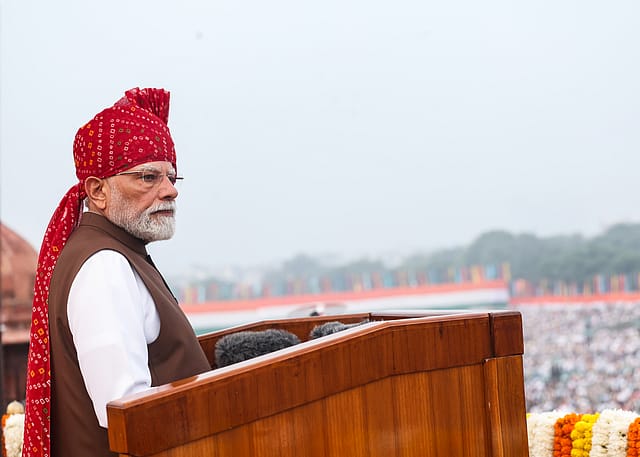
It is not incidental that Prime Minister Narendra Modi’s reference to “dimagi Naxals (Naxal mindsets)” during his Independence Day address came not long after violence during Cockroach Janata Party (CJP) protests turned central Delhi into a war zone for several hours on July 20. The chain of events was very similar to a string of protests and incidents of rioting that have occurred in the Capital since the Modi government assumed office in May, 2014.
The common link in the events? The role of Left student organisations AISA (All India Students’ Association), SFI (Students Federation of India) and AISF (All India Students’ Federation) in mobilizing street power in accordance to a toolkit that have worked well for them. The use of social media and WhatsApp to coordinate action on the ground, use of wet blankets and towels to suppress tear gas shells, the assault on police barriers to precipitate a showdown and thereafter claims to being victims of government highhandedness.

Zeroing In on ECI
09 Oct 2026 - Vol 05 | Issue 41
Constitutional legitimacy versus political opportunism
The Backstory
The violence on the streets is never a one-off instance. Protests such as those against the withdrawn farm laws and the anti-Citizenship Amendment Act rioting followed a similar toolkit with a strong participation of Left organisations. Rioters at Jama Millia in December, 2019, came prepared with wet blankets and towels to suppress tear gas shells and petrol bombs to hurl at the police. The mixed narrative in the media as to who is to “blame” for the violence was just what the protestors wanted and it created ambiguity over their actions.
The violence receives cover fire from an entire ecosystem that presents the case for the violence as a justified “popular” protest for a legitimate cause. The web of sympathisers is widespread and includes not just academics and civil activists but also elements in the administration unhappy with the current government. The Left stranglehold on elite institutions has ensured official thinking remained shackled to concepts and ideas that were treated like the Holy Grail. Departing from norm was not only difficult but came with serious penalties such as being relegated to the boondocks.
Official Patronage
It was this ingrained way of thinking that Modi referred to when he said “For years people with a Maoist way of thinking were entrenched in power. They were advisors in official committees, Maoist thinking influenced policies. We have been successful in ending the reign of armed Maoists in jungles but “dimagi naxals” are on the lookout for an opportunity…they are looking for opportunities to instigate violence and lawlessness and to take society on the wrong path. It is necessary to recognize these `dimagi Naxals’ and to isolate them. We need to make the youth a part of the mainstream and work for `Viksit Bharat’ (developed India).”
The ideological battle with the Left is a long running one and while the Bharatiya Janata Party (BJP) has evened the scales to some extent, it lags in terms of the influence Left commands over academia, legacy media and elite institutions. Modi’s reference was intended to underline the Left’s implacable opposition to BJP and its political and social goals and also its preparedness to resort to and justify violence.
Senior Congress leader P Chidambaram’s comment that he is “proud” to be a “dimagi Naxal” was just the reaction BJP might have hoped for. Though parliamentary affairs minister Kirren Rijuju clarified that the Prime Minister had not referred to the Opposition, BJP could have no objection to Chidambaram declaring that the hat fits him. In fact, it helps BJP argue that Modi’s assertions about the influence of “naxal thought” in the corridors of power is well founded.
Chidambaram’s Folly
As home minister in the Manmohan Singh government Chidambaram sought to pursue a tough line against terrorism but stopped short of decisive action. There was a reason for this and it was not because Chidambaram was a bleeding heart liberal. The Left and activists sympathetic to the Maoist cause had significant leverage in the United Progressive Alliance (UPA) government beginning with the National Advisory Council headed by Congress leader Sonia Gandhi.
An IDSA (Institute for Defence Studies and Analysis) paper published in October, 2009, noted that Chidambaram, during a three-day visit to Bhutan, had raised concerns about the re-entrenchment of Assamese and other north-eastern rebel groups in Bhutan. “After the talks, Chidambaram acknowledged that the Bhutan government will not hesitate to act on the Indian insurgent groups in its southern borders. This was confirmed by Bhutan’s Prime Minister Lyonchen Jigme Yoser Thinley in the wake of Chidambaram’s visit,” the paper said.
Action by Indian and Bhutanese troops against the rebels was planned but was not carried out. The reason? Then Assam chief minister Tarun Gogoi had serious reservations and conveyed his objections to Chidambaram and his leverage with the Congress high command ensured the action against north east militants holed up in Bhutan was aborted. So, whether by conviction or circumstance, Chidambaram failed to act against Maoists and other rebels committed to the overthrow of the Indian state and who have never had any faith in democracy.