Taking No Chances Against Ebola
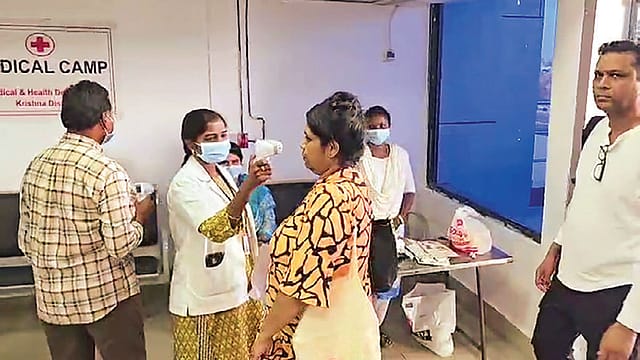
So far tests of suspected Ebola cases in India have turned up negative. A 28-year-old Ugandan woman in isolation in Bengaluru has tested negative. The concern over the Ebola strain emanating from the Democratic Republic of Congo (DRC) has been heightened by the fact that the Bundibugyo strain is distinct from the more common Zaire virus. There are as yet no vaccines against the Bundibugyo strain. The Indian government has done well to increase monitoring of international travellers seen to be at risk. The World Health Organization (WHO) classified the outbreak as a public health emergency of international concern.
A male traveller from Africa, who also visited Bangladesh, has been placed in isolation and his reports are awaited. Screening of travellers from suspect regions is a must and the current protocol that prescribes testing for even mildly symptomatic individuals is a step in the right direction. The epicentre of the infection is in the eastern regions of DRC that border Uganda. The virus is highly transmissible and can spread by direct contact with blood and other body fluids, and even via bedding and clothing. Since the symptoms may mirror those of malaria, laboratory testing is essential to establish whether an individual is infected.
Unusual clusters of community deaths with symptoms compatible with Bundibugyo Virus Disease (BVD) have been reported across several health zones in DRC’s Ituri and north Kivu. The virus as yet poses a low risk to India but the enhanced screening is considered necessary in view of the WHO notification as well as the fact that the disease has a mortality rate of 30-50 per cent. While this may be partly due to the insufficient medical facilities in remote parts of DRC and Uganda, prevention is better than cure.
The virus acts fast on the human host with symptoms progressing from high fever and headaches to severe abdominal pain, vomiting, vascular damage and organ failure. The Covid experience has led to a significant increase in India’s detecting, testing, quarantine and treatment capacities.