SC refuses bail to Umar Khalid, Sharjeel Imam in North-East Delhi riots “larger conspiracy” case
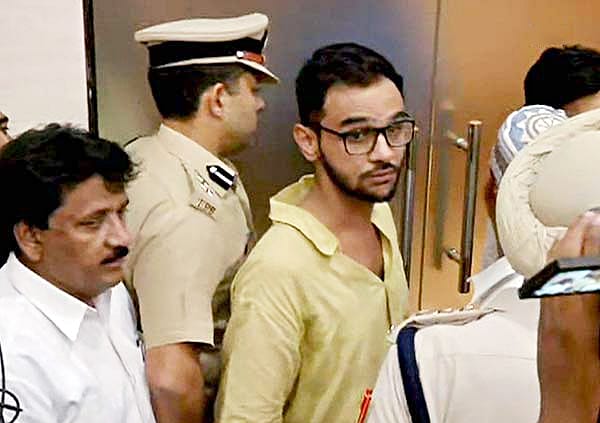
After more than five years in prison, activists Umar Khalid and Sharjeel Imam have been denied bail by the Supreme Court, in the North-East Delhi riots “larger conspiracy” case of February 2020, observing that the prosecution material showed a prima facie case against them under the Unlawful Activities (Prevention) Act, 1967.
The bench, comprising Justices Aravind Kumar and NV Anjaria, pronouncing the judgement on Monday, said that they can renew their bail applications after the examination of protected witnesses or after one year from today.
The Court, however, granted bail to five of the other accused in the case— Gulfisha Fatima, Meeran Haider, Shifa Ur Rehman, Mohd Saleem Khan and Shadab Ahmed. In the case of Khalid and Imam, it said that they stood “on a qualitatively different footing” compared to the other accused in the case. It observed that the prosecution materials prima facie disclosed "a central and formative role" and "involvement in the level of planning, mobilisation and strategic direction extending beyond episodic and localised acts." The Supreme Court said that it has avoided a collective approach and has independently analysed the role of each accused.
The accused had challenged a Delhi High Court order refusing them bail in the case. The defence argued that there have been significant delays in the trial. It said the accused have not been conclusively proven to have instigated violence during the riots, which the Delhi police opposed alleging a premeditated, pan-India conspiracy aimed at “regime change” and economic disruption. The police said the riots were timed to coincide with a US presidential visit and used the Citizenship Amendment Act (CAA) as a “radicalising catalyst” under the guise of peaceful protest.
Justice Kumar said delay in trial does not operate as a "trump card" automatically displacing statutory safeguards. The Court, however, also observed that Section 43D(5) of the UAPA does not totally bar judicial scrutiny to assess if there was a "prima facie" case. It said that Section 15 of the UAPA, which deals with the offence of terrorist acts, cannot be interpreted narrowly to include only acts of blatant violence. Apart from death or destruction, the provision encompasses acts that disrupt services and threaten the economy.
For those granted bail, twelve bail conditions have been imposed, which, if violated, would attract cancellation of liberty.
Justices Kumar and Anjaria had heard the bail petitions, filed against the Delhi High Court verdict denying bail, and the judgement was reserved on December 10. Senior advocate Kapil Sibal appeared for Khalid while Siddharth Dave represented Imam. Solicitor General of India Tushar Mehta and Additional Solicitor General SV Raju appeared for Delhi police.
The judgement comes three days after New York mayor Zohran Mamdani handed over a note addressed to Khalid, through his parents during their US trip, was posted on X by his partner Bunojyotsana Lahiri saying “dear Umar, I think of your words on bitterness often, and the importance of not letting it consume one’s self. It was a pleasure to meet your parents. We are all thinking of you.” The BJP dubbed this as interference in India’s internal affairs, questioning Mamdani’s locus standi to comment on the country’s internal matters.