QUICK TAKE | Is Delhi the World’s Most Polluted City? Here Are Seven Things to Know Before Diwali
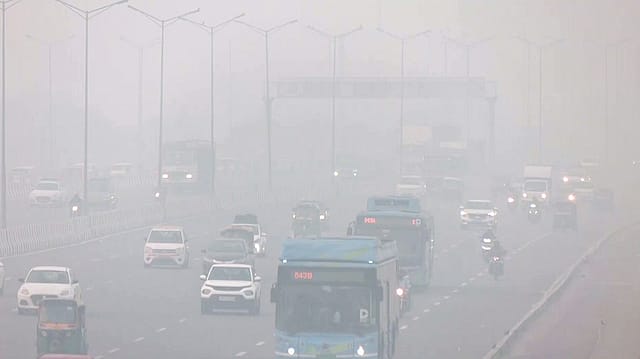
1. Did Delhi really rank first in the world?
Yes, among the major cities IQAir tracks. Delhi was No. 1 at 10:35 am IST on November 7, Reuters reported. Lahore was at 285 on the same scale. IQAir updates the ranking hourly, so Delhi’s position can change through the day.
2. Why did Delhi get two different AQI readings?
IQAir’s ranking used the US air quality index. India’s Central Pollution Control Board uses its own scale and method. The board’s 10 am reading of 363 fell in its “very poor” band. The difference between the two numbers cannot tell you how much pollution rose in 35 minutes.
3. Was the air equally bad across Delhi?
Readings varied sharply. On Saturday morning, the IIT Delhi monitoring station registered 443 and Punjabi Bagh 433, both in the “severe” band. Anand Vihar was at 272, rated “poor”. The citywide figure can mask what’s happening in your neighbourhood.
4. Why was the air so bad before Diwali?
Delhi already had pollution from traffic, construction dust and crop-residue fires in the region. When winds are weak and a layer of warmer air traps cooler air near the ground, those pollutants accumulate. Fireworks can add to the pollution already there.

The Era of Forever Wars
30 Oct 2026 - Vol 05 | Issue 44
Coping with an explosive Middle East
5. What restrictions are in force?
The Commission for Air Quality Management activated Stage III of its emergency pollution plan across Delhi-NCR on Friday, November 6. Delhi’s education department directed schools to offer hybrid classes through Class 5 where online teaching is feasible.
6. Can people still burst crackers?
The Supreme Court allowed certified green crackers in Delhi-NCR from 6 am to 7 am and 8 pm to 10 pm on November 7 and 8, subject to location restrictions. The full ban returns on November 9.
7. Is the air expected to get worse on Diwali?
Delhi’s Air Quality Early Warning System forecast “severe” conditions through November 9. It expects the air to disperse pollution less effectively on Diwali than on Saturday, making it easier for emissions to build up near the ground.