Noose Connection: A brief history of hanging as a form of execution that India refuses to let go of
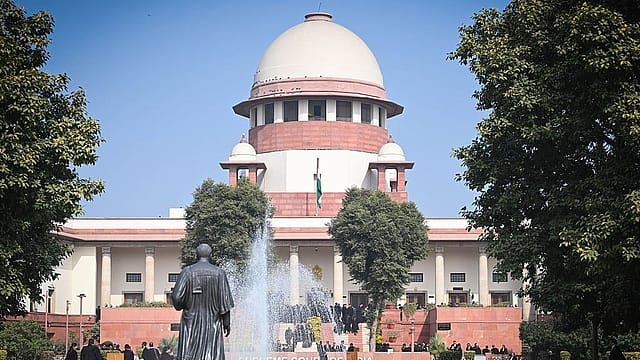
At a museum in Denmark lies the Tollund Man, a man from around 400BCE, 2,400 years ago, and was found in a peat bog in 1950. On his neck wound tight is a noose, also intact. He is one of the earliest we see of someone killed by hanging. It was, so goes the dominant theory, not capital punishment but ritual sacrifice that did him in. Hanging is ancient as a form of killing. The Arthashastra, which came a few centuries after the Tollund Man, has a few mentions of it, but related to indications of unnatural deaths. It was the British who really were all in on it as a form of capital punishment and imported it into India during their rule. Since then hanging has been the favourite of the Indian state. And one that is hard to give up. This week, the Supreme Court, ruling on a PIL refused to replace it with more modern and less painful methods like lethal injections.
Hanging is, in fact, merciful as a form of punishment, provided it is done well. When first used for execution, the height from which the victim would be pushed off was short and death was by strangling. Human beings became kinder and increased the height. Too much led to decapitation, not a pleasant sight. Too little was strangulation. The perfect height, between 6 and 8 feet, tailored to the body of the target, would lead to snapping of the cervical spine and instant unconsciousness followed by death. Expert hangmen with perfect knots and positioning were expected to ensure this.
Errors could still happen, but then there are anecdotes of lethal injections failing too. In any case, India does not hang too many now. In this century, only eight have died by the noose. Should people still be hanged has been replaced with should people be killed at all. The UK and many developed countries have already given up capital punishment. India keeps it on the books, implements it rarely and gives a crueller punishment instead: keeping people on death row for decades in uncertainty.