Keep Your Faith: Maharashtra is joining the growing list of states with anti-conversion laws
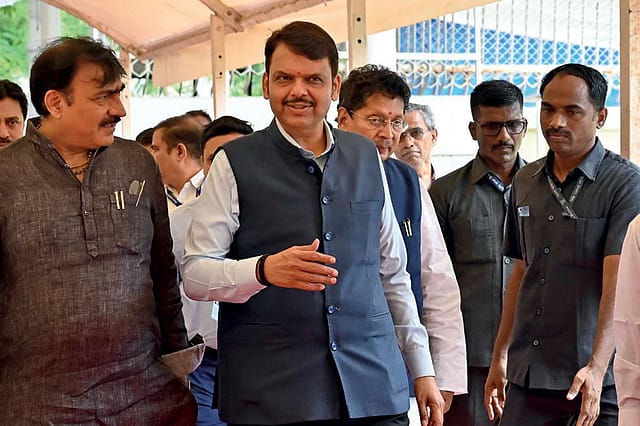
In passing an anti-conversion law, Maharashtra is set to join an increasing group of states that have one, a trend that began with the Bharatiya Janata Party (BJP) returning to power at the Centre in 2014. Such a law is now somewhat de rigueur from chief ministers of the party.
Conversions, not just in India but across the world, especially by Christian missionaries, have been accompanied by elements of inducement. There are also however many who convert because of a genuine change of faith. The present law targets inducements, force, undue influence, and more, but as with how such laws are written, it makes it as difficult as possible for everyone. The Maharashtra law is no different. It tangles whoever wants to change his or her religion in red tape. Prior notice has to be given to the collector. There is a period where others can raise objections. And even after the conversion, there are review mechanisms.
There are extra punishments for converting with inducements those from the Scheduled Castes and Tribes. These groups have often been the largest category of those who get converted, the reason being their historic status in Hinduism. Not too far in the past, a large percentage of the Northeast tribes converted to Christianity. India today is however different. There isn’t the crushing poverty, social oppression, or neglect that makes conversion appealing.
Laws move according to the winds of cultural and political forces, and in the present moment, being a protector of Hinduism is a label that politicians need to have on their resume. The Maharashtra law is religion-neutral, so it applies to those converting to Hinduism too. Would a ghar wapsi campaign count as inducement? Not in the present political climate. But at some point in the future, another government of a different dispensation can use these laws against Hindu organisations. There is also then the inevitable fate of all laws in India to become an instrument for corruption. Those getting converted will just have to pay a little to get the paperwork through. Such inducements, long illegal, remain perpetually present.
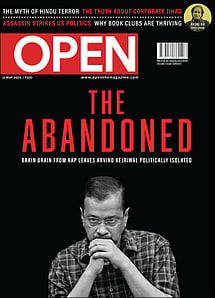
The Abandoned Kejriwal
01 May 2026 - Vol 04 | Issue 69
Brain drain from AAP leaves Arvind Kejriwal politically isolated