India’s power demand may nearly double by 2036: Why renewable energy needs storage and stronger grids
India’s energy challenge is changing. It is no longer just about generating more electricity from solar panels and wind turbines, but ensuring that power reaches consumers when they need it: including after sunset, when solar generation falls.
An Anand Rathi research report projects India’s peak power demand to climb from around 245 GW to 459 GW by financial year 2035-36. It also expects non-fossil sources to account for a larger share of electricity generation, rising from 29% to 48%.
The shift is pushing the renewable energy sector towards projects that promise reliable supply, backed by storage and a mix of energy sources, rather than capacity addition alone.
Why India needs more than solar panels and wind turbines
Solar and wind power depend on weather and time of day. Electricity demand, however, does not stop when the sun sets. Storing surplus electricity and combining different renewable sources can help bridge that gap.

Zeroing In on ECI
09 Oct 2026 - Vol 05 | Issue 41
Constitutional legitimacy versus political opportunism
According to Anand Rathi, hybrid, round-the-clock (RTC), firm and dispatchable renewable energy (FDRE), and storage-linked options accounted for 86% of tenders in FY26, compared with 44% in FY24. The change signals a move away from auctions focused primarily on the lowest quoted tariff towards contracts that consider the cost and reliability of electricity actually delivered.
FDRE projects are designed to supply power during specified periods, while RTC arrangements aim to provide electricity throughout the day. Battery energy storage systems (BESS) can store electricity when supply is abundant and release it when demand rises. Such assured supply can cost more: the report says assured-peak FDRE tariffs are roughly twice those of utility-scale solar paired with battery storage.
Data centres and businesses are creating new demand
State distribution companies remain major buyers of electricity, but they are no longer the only important customers for renewable developers. Anand Rathi projects renewable power requirements for data centres to rise from 16.1 GW in calendar year 2026 to 32.4 GW by 2030. Conventional commercial and industrial demand is projected to reach 121 GW.
Data centres need dependable electricity to run continuously, while businesses are increasingly seeking renewable power to meet their energy requirements. These customers are adding to demand for contracts that offer greater certainty over when electricity is available.
The report also puts cumulative energy-storage tendering at 90.7 GW, up from 6.8 GW during 2018-25, highlighting the growing importance of storage in the power system.
Transmission lines and unsigned contracts remain hurdles
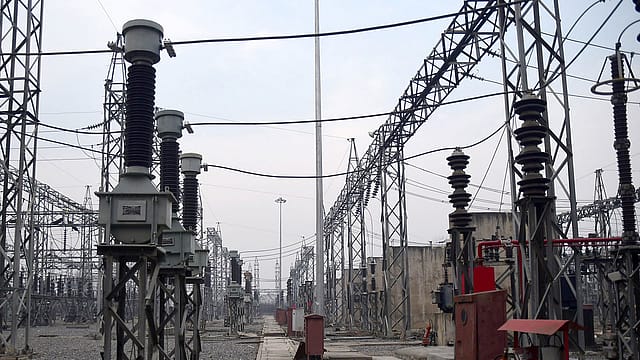
More renewable generation will not automatically translate into more usable electricity. Power must also be carried from generation sites to consumers, making transmission infrastructure critical.
The Ministry of Power said in March 2026 that plans were being advanced to integrate more than 500 GW of non-fossil fuel capacity by 2030. It also highlighted the need to expand interstate transmission and storage infrastructure.
Anand Rathi’s report says around 48 GW of the 335 GW interstate transmission system required for renewable integration by 2030 has been completed. It also flags 45 GW of awarded utility-scale capacity without signed power purchase agreements (PPAs), which establish the terms under which electricity will be bought and sold.
The challenges are already visible. Reuters reported on October 6 that several Indian states were seeking additional electricity to avert night-time shortages, with limited battery storage among the factors affecting the shift from daytime solar supply to night-time demand.
What this means for India’s energy transition
India’s renewable expansion will depend on more than adding solar and wind capacity. Storage, dependable transmission networks and contracts that turn awarded projects into actual electricity supply will be crucial.
The Anand Rathi report also warns that the gradual withdrawal of interstate transmission charge waivers, scheduled to fall from 75% in FY26 to zero by July 2028, under the report’s assessment, could affect project economics.
The central question is no longer simply how much clean power India can generate. It is whether the country can deliver that power reliably, affordably and at the hours homes, factories and data centres need it.
(With inputs from ANI)