India Just Cleared Draft Amendment Bill For Women - And It Changes Lok Sabha Forever
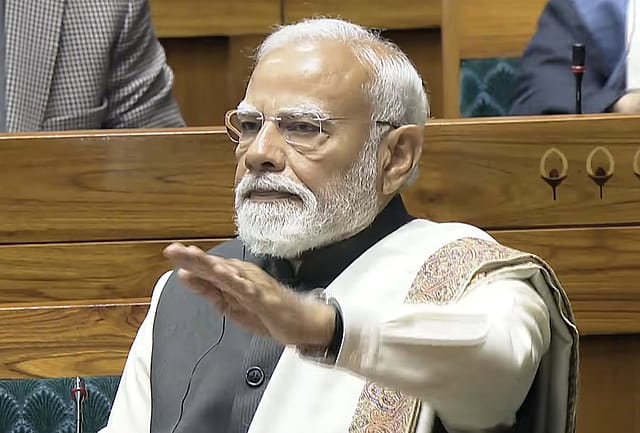
After decades of stalled attempts, failed drafts, and political deadlock, women's reservation in India's Parliament is finally on the verge of becoming reality. On April 8, 2026, the Union Cabinet cleared three landmark draft amendment bills to operationalise the Nari Shakti Vandan Adhiniyam - which guarantees one-third reservation for women in Lok Sabha and state assemblies.
Here’s a closer look.
What is the Nari Shakti Vandan Adhiniyam?
Passed in September 2023 as the Constitution (106th Amendment) Act, the Nari Shakti Vandan Adhiniyam mandates one-third reservation for women in Lok Sabha and state assemblies. According to Prime Minister Narendra Modi, its passage ranks among the most significant occasions of his tenure.
So why were women not already getting this reservation?
The original law required a delimitation exercise based on the 2027 Census before taking effect - meaning, reportedly, it would not have been implemented until 2034 if left unchanged.

Zeroing In on ECI
09 Oct 2026 - Vol 05 | Issue 41
Constitutional legitimacy versus political opportunism
What has the Cabinet now approved?
The Cabinet cleared three draft bills - a Constitution (131st Amendment) Bill, a Delimitation Bill, and separate legislation covering Union Territories with assemblies. All three will be introduced in the special Parliament session beginning April 16.
How will Lok Sabha seats change under this proposal?
This is the first expansion of the Lok Sabha in nearly five decades. According to reports, Lok Sabha will expand from 543 to 816 seats. Of those, reportedly 273 seats, roughly one-third, will be reserved for women.
Will SC and ST women also benefit?
Yes. The quota will be applied vertically, meaning reservation will extend specifically to women within the Scheduled Caste and Scheduled Tribe categories as well.
What is the key change around delimitation?
Reportedly, in a significant departure from existing law, the government will conduct delimitation based on the 2011 Census rather than waiting for the 2027 Census - directly accelerating the rollout of Nari Shakti representation.
When will Parliament debate the bills?
The amendment bill is scheduled for debate during extended Budget Session sittings from April 16-18.
When does all this actually come into force?
The laws will take effect after March 31, 2029, applying from the 2029 Lok Sabha elections and simultaneous assembly elections in Odisha, Arunachal Pradesh, Sikkim and Andhra Pradesh.
(With inputs from yMedia)