Fine Print of a Boom: AI data centres look like development today. Wait till the electricity bills and water tankers arrive
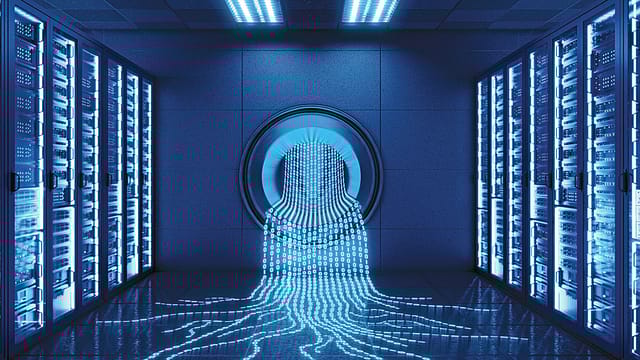
New York became the first state in the US to have a one-year moratorium on setting up hyperscale artificial intelligence (AI) data centres and that should tell India about how the future is going to unfold. Right now, every state here that cares about development is courting AI companies to set up such centres. Nations across the world are doing likewise. China will eventually lead because the government there doesn’t have to deal with democracy and that will make India even more greedy for such centres. They provide jobs, lead to infrastructure creation and all that ought to translate to votes. Chances are it won’t be that simple.
These data centres are not how an ordinary mind imagines them, as very big call centres or warehouses. These are town-sized with not many human beings in them. Neverending arrays of hardware, and they need two things which we never have enough of—power and water. The energy needs of data centres are so vast that eventually the only source that can slake that thirst is nuclear plants. Till then, it will have to be pulled from the usual grid which supplies power to homes and offices. Because there are no data centres at all of such scale in India, whatever they are expected to consume is just a number on paper. But it will become real when people living with hours of load shedding realise how much power is being diverted to something they don’t even understand. Then these centres need enormous amounts of water to cool down the computing hardware, and that touches an even more sensitive nerve.
When these centres get going in India in a few years, you can expect agitations and protests. They will become election issues. The opposition, no matter who it is, will oppose them and then, as usual, flip once they get voted in. If there is a way for India to have such infrastructure without the social disruption that follows, the time to start thinking about it is now, when there is room for manoeuvre. But that is not likely to happen either.