EXPLAINED | India’s Google Arts & Culture deal: How do you put a museum on a phone?
On Google Arts & Culture, the Dancing Girl of Mohenjo-daro grows nearly five centimetres between the label and the measurements. The description calls the bronze six inches tall. Scroll down and the dimensions put it at 10.5 centimetres, just over four inches. India’s own museum catalogue agrees with the smaller figure.
The bronze was already online when India’s Culture Ministry signed its November 5 agreement with Google Arts & Culture. The plan spans museums, monuments, manuscripts and living traditions. It puts a much bigger job in front of curators and technicians. For every object they want you to see on a phone, somebody has to capture the details, tell you what you’re looking at and make sure the two agree.

The Era of Forever Wars
30 Oct 2026 - Vol 05 | Issue 44
Coping with an explosive Middle East
What did India and Google sign?
They signed a memorandum of understanding, an agreement that sets out how the two sides intend to work together. The ministry says the project will cover sites and collections protected by the Archaeological Survey of India, objects in national museums, manuscripts being documented under the government’s Gyan Bharatam programme, and crafts and performing arts. The centrepiece is an online preview of a museum still taking shape in Delhi.
What is Google Arts & Culture?
It’s a free website and app where museums and other institutions can publish selected objects, exhibitions and tours. A museum can put up a single painting with a label, or build a tour that links paintings with recorded commentary. You can already try Life in Miniature, a project featuring Indian miniature paintings. You can zoom into the wedding procession of Dara Shikoh or hunt for tiny musical instruments in other paintings.
Why are Delhi’s North and South Blocks part of the deal?
They are where India is building the Yuge Yugeen Bharat Museum. The buildings housed central government offices, including the Prime Minister’s Office in South Block. The Cabinet cleared their conversion in February 2026. The ministry says the digital work will document the buildings and the artefacts they will hold, giving the public a look before the museum opens. That makes the building itself part of the story visitors can explore.
How do you photograph a painting you can zoom into?
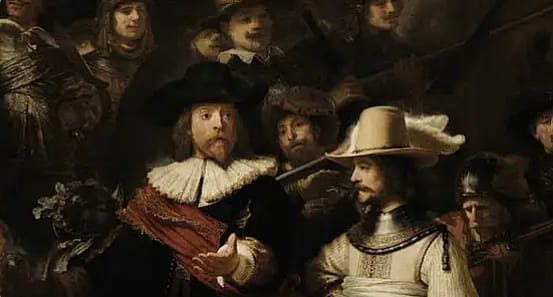
Google’s Art Camera moves across the artwork, taking hundreds of close-ups. Software pieces them together into one image. Some have more than a billion pixels, the tiny dots that make up a digital picture. That detail can let you see where a painter dabbed one colour over another. A viewer can send the phone a smaller image first, then fetch a sharper piece of the picture when you zoom into a corner.
Can you turn a sculpture around?
You can if the museum publishes a 3D model. One way to make it is to photograph the object from different angles and use software to work out its shape from details that appear in several photos. A virtual gallery tour does a different job. Google’s Museum View lets you look around from points in the room and move from one point to the next, much as you would on Street View.
How do you scan a fragile manuscript?
You can photograph the pages from above as they lie face up. A separate Culture Ministry tender for Gyan Bharatam calls for that approach, lighting chosen to protect ageing pages and checks to catch any missed pages. It also asks for searchable text where the writing can be recognised. A photo lets you see the page. A transcription lets you search for a word in it, and a translation lets you read it in another language.
Who makes sure the digital label is right?
The museum needs a reliable record for each piece, with details such as what it’s made of, where it was found and which object number the museum assigned it. Those fields also help people find the object online. The Dancing Girl shows how even basic details can drift. The Google listing and the Indian catalogue differ on the museum’s object number as well as on the height given in Google’s description.
Does India already have its own online museum catalogue?
Yes. In a January 2026 answer in Parliament, the Culture Ministry said 1,09,721 of the National Museum’s 2,06,169 artefacts were available on the government’s museum portal. The catalogue helps you look up a specific object. An online exhibition can give those records a story to follow, by bringing together objects from several collections or letting a curator talk you through a detail.
Will it work in my language?
The ministry says it wants people to explore the material in Indian languages and on different devices. The announcement gives no list of languages or launch features. For a student opening the site on a phone, access could mean being able to read a caption in the language used in class and load a picture without waiting for a full gallery tour to download.
Who can reuse the images, and who keeps the files?
Google’s standard rules say partner institutions retain the rights they hold in uploaded images and must clear permissions to display them. Anyone who wants to republish a picture still needs to check the terms attached to it. The ministry’s announcement does not say who will keep the original, full-quality files from this project. Those files matter if a museum wants to make a new copy or build a different exhibition years later.
When can you see the first Delhi museum collection?
The ministry has given no date for the Google preview or named the first objects it will publish. An initial release should tell us whether the preview starts with the buildings themselves or with the collection they are being converted to house. While that takes shape, you can already look up the Dancing Girl in the government catalogue.