East, Central India to Lead Late-Monsoon Rainfall; El Niño May Persist Into 2027: Report
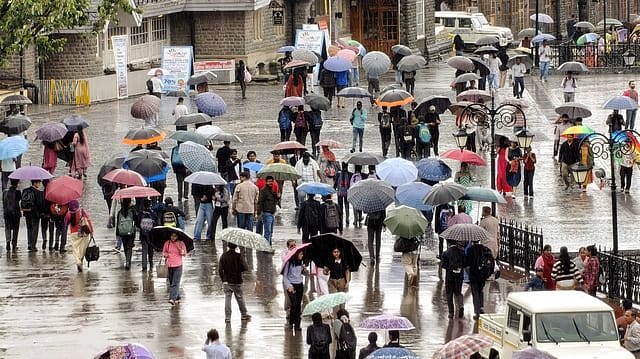
East and Central India are expected to receive most of the rainfall in the closing weeks of the monsoon as withdrawal begins from Northwest India, according to a Dolat Capital report. The report also said El Niño had strengthened and was expected to persist well into 2027.
India’s seasonal rainfall shortfall remained at 15% during the reporting week, ending a run of widening deficits as rainfall conditions improved in several regions.
A well-marked low-pressure area over the Bay of Bengal was moving towards the East Coast and was expected to intensify before landfall, the report said. The system was likely to sustain rainfall activity over East and Central India in the near term.
Regional Deficits Show Uneven Recovery
East and Northeast India’s rainfall deficit narrowed to 27% from 29% the previous week. The South Peninsula also recorded an improvement, with its shortfall easing to 26% from 28%.

Zeroing In on ECI
09 Oct 2026 - Vol 05 | Issue 41
Constitutional legitimacy versus political opportunism
Central India’s deficit remained broadly unchanged at 6%. Northwest India moved in the opposite direction, with its shortfall widening to 10% from 9%.
“The all-India rainfall shortfall held flat at -15% for the season this week, breaking the pattern of continued widening seen previously, as most regions posted recovery,” the report noted.
Kharif Sowing Advances, Rice Still Trails
Total kharif acreage reached 1,103.9 lakh hectares as of September 18. The gap against the corresponding period last year narrowed to 15.1 lakh hectares from 16 lakh hectares a week earlier.
Progress, however, varied across crops.
Oilseed acreage moved marginally above last year’s level for the first time this season, while pulses sowing remained steady.
Rice coverage stood at 429.3 lakh hectares, compared with 445.9 lakh hectares a year earlier—a shortfall of 16.6 lakh hectares. Rice therefore remained a significant contributor to the overall acreage gap.
Cotton sowing stood at 109.6 lakh hectares against 110.6 lakh hectares last year. Its shortfall of one lakh hectares was broadly unchanged from the previous week.
Acreage under sugarcane, jute and mesta also remained largely unchanged.
Reservoirs Offer Some Relief
Reservoir storage remained above the 10-year average across Central and Western India, according to the report. The South Peninsula, however, continued to lag in both sowing progress and reservoir levels.
Looking beyond the current monsoon, Dolat Capital said El Niño was strengthening towards what it described as potentially one of the strongest episodes on record. Its projection that the event could continue well into 2027 adds a longer-term weather concern to the uneven rainfall and sowing picture.
With inputs from ANI