Delhi Taxi Strike Today: What Commuters Need To Know About The 3-Day Protest
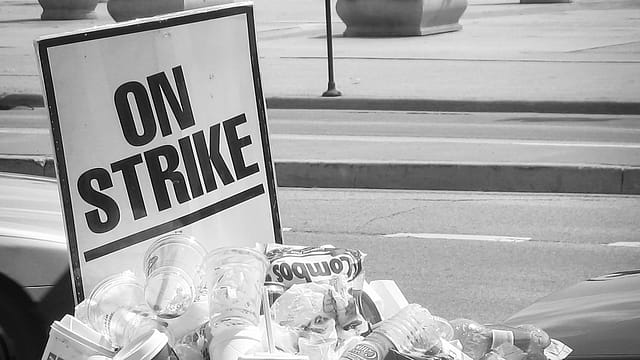
Commuters across Delhi-NCR are likely to face major transport disruptions over the next three days as taxi and auto-rickshaw unions launched a strike demanding fare revisions and stricter regulation of app-based cab aggregators.
The strike began on Thursday and is scheduled to continue till May 23. It is part of a larger nationwide protest called by the All India Motor Transport Congress and is expected to impact daily travel across Delhi, Noida, Gurugram and nearby regions.
With fewer taxis, autos and commercial vehicles expected on roads, office-goers, airport passengers and daily commuters could experience delays, longer waiting times and higher demand for alternative transport services.
Why Are Taxi and Auto Drivers Protesting?
Driver unions say fares in Delhi-NCR have not been revised for nearly 15 years despite a sharp increase in fuel prices and operating costs.
According to the “Chalak Shakti Union”, rising expenses linked to CNG, petrol, diesel, vehicle maintenance, insurance, permits and fitness certificates have made it increasingly difficult for drivers to sustain their livelihoods.
The unions have also accused app-based ride-hailing companies of reducing payouts and operating without adequate regulation.
Speaking to ANI, taxi driver Narendra Tiwari said falling per-kilometre rates have severely affected drivers’ earnings.
“The condition is very bad as the prices have decreased. Rapido was paying ₹30 per km from 18 to 25 April, which has now been reduced to ₹15-16. We are protesting from 21-23 [May], so let's see what will happen,” Tiwari said.

Open Minds 2026
26 Jun 2026 - Vol 05 | Issue 26
The power of ideas and arguments in 50 portraits
Another driver, Dinesh Kumar, said the lack of fare revision has worsened financial stress for drivers.
“There is no price in the market. We do not even get many rides. I would appeal to the government to pay some attention to the taxi fares as well,” Kumar told ANI.
Which Areas Could Be Affected?
The strike is expected to impact transportation services across Delhi, Noida, Gurugram and adjoining NCR areas.
Passengers relying on app-based cab services, auto-rickshaws and commercial transport may face limited availability during peak office hours and increased waiting periods at railway stations, metro hubs and airports.
The disruption could particularly affect office commuters and inter-city travellers during the three-day protest period.
What Are The Drivers Demanding?
The protesting unions are seeking an immediate fare revision for taxis and commercial vehicles operating in Delhi-NCR.
They are also demanding government intervention against what they describe as the “economic exploitation” of drivers by app-based aggregators such as Ola, Uber and Rapido.
In a letter submitted to the Delhi Lieutenant Governor, Chief Minister, Transport Minister and Police Commissioner, the “Chalak Shakti Union” stated that existing fare structures are outdated and no longer match current economic realities.
“Taxi fares are still being charged at old rates despite rising inflation, which has severely affected the livelihood of drivers,” the union said in its letter.
The union further alleged, “App-based companies like Ola, Uber and Rapido are operating arbitrarily, and drivers in Delhi-NCR are becoming victims of serious economic exploitation.”
The drivers’ association has also demanded a formal meeting with the government to discuss policies aimed at protecting commercial drivers and regulating app-based transport services.
Fuel Price Hike Adds To Pressure
The strike also comes amid a fresh rise in fuel prices.
In Delhi, petrol prices increased by 87 paise to ₹98.64 per litre, while diesel prices rose by 91 paise to ₹91.58 per litre.
Driver unions argue that the increase in fuel costs has added further financial strain at a time when ride earnings are already under pressure.
Could The Protest Intensify?
Union leaders have warned that the agitation could escalate if the Delhi government does not respond to their demands.
The unions say the current three-day strike could expand into a larger movement if fare revisions and policy discussions are delayed further.
(With inputs from ANI)