'Shape of Momo': Tribeny Rai's Nepali-language film set in Sikkim shines a light on the lives of women
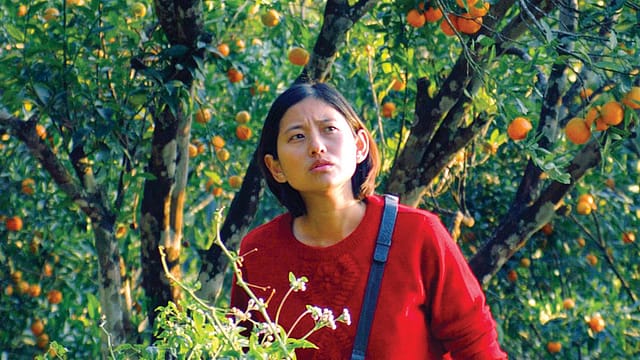
BISHNU (GAUMAYA GURUNG) has just returned to her village in Sikkim after a stint in Delhi. She is full of ideas about change, including turning her mother’s home into a homestay. She feels the orchard manager is ripping off the family and the migrant labourers on their land are potential criminals. Bishnu wants to change her pregnant sister’s life too, encouraging her to complete her degree and think beyond housework. Bishnu is us: angry, angsty and occasionally aggressive about our freedoms.
She is also privileged, protected by her birth and youth. She is suffering from what many young women across India are plagued by: that however educated they are, their families still feel they should make perfectly shaped momos and rotis. The movie releases in Indian theatres this week. Tribeny Rai, a Satyajit Ray Film and Television Institute of India alum, wanted to make a film based in her home state, Sikkim, and in her language, Nepali. The house depicted in the film is her own and much of the issues are autobiographical. In making something so specific and local, she has achieved the most difficult thing: a film people across languages can relate to, with its absent men and invisible women.