Bharathiraja (1942-2026): Native Eye
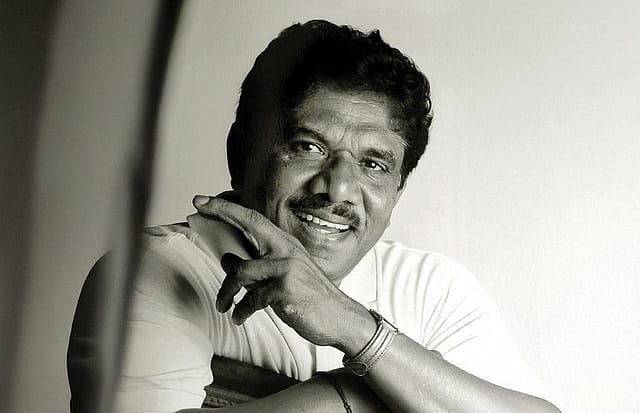
BHARATHIRAJA (1942-2026) DIED on June 10 in Chennai, aged 84, and was taken south to his home district of Theni to be laid to rest. The filmmaker’s afterlife is in the open air, in fields, riverbanks, red earth, thorn, dust, desire, shame, village gossip and the violence of love. As a health inspector from Allinagaram trying to get past the gates of Madras cinema, he found that the industry was an indoor kingdom. Tamil films were made on the enclosed floors of Kodambakkam, inside studios such as AVM, Gemini and Prasad, where the doors did not open easily for provincial dreamers.
So in 1977, with 16 Vayathinile, he took Tamil cinema outside. He put Kamal Haasan, Sridevi and Rajinikanth, before they had attained superstardom, in the searing brightness of the countryside. The film had no takers at first. Then it ran for 175 days. Bharathiraja knew how to make melodrama feel as if it had grown out of the soil. He cast against the grain. Rajinikanth as a brute, Kamal Haasan as a damaged innocent, Sridevi as a girl whose vulnerability was central to the cruelty of the world around her.
In Mudhal Mariyathai, Bharathiraja gave Sivaji Ganesan one of his most restrained late roles. In Karuthamma, he addressed female infanticide directly. Across his work, the village was rarely decorative. It was where people lived under the pressure of family, caste, custom and desire.
He changed what Tamil cinema could see. In the old studio village, the rural poor were often reduced to types: the innocent villager, the fool, the sufferer, the comic relief in someone else’s story. In Bharathiraja’s films, they became full human beings, shaped by gossip, caste, desire, poverty and fear.
He liked to begin his films himself, appearing before the audience with folded hands and a greeting that no other director could have presumed to use without embarrassment: En iniya Tamil makkale, my beloved Tamil people. He was speaking to the people whose lives he had brought into cinema.