Kindness Is a Flex: Being human in the age of hustle culture
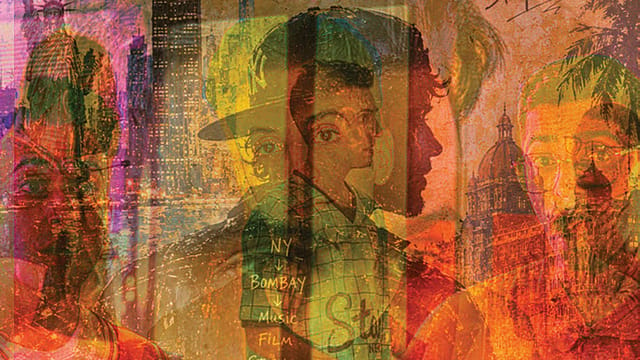
JAY KILA BELONGS TO that increasingly rare tribe of people who can walk into almost any room in the world and make it feel lighter, kinder, more alive. In a time of cultivated personas and algorithmic personalities, he remains startlingly, almost unfashionably, real.
I first met Jay when I was in my early twenties, living in Manhattan and consulting with his father, Kartik Kilachand, on a packaged food venture. Jay was still a child then—bright-eyed, observant, quietly absorbing the energy of rooms full of adults. Even at that age, there was something unusually self-possessed about him. Not precocious in the irritating way some children are, but instinctively aware. Curious. Warm. Entirely without affectation.
Years later, watching him today in Bombay— or Mumbai, depending on which version of the city you are speaking to—one understands that the boy did not disappear. He simply sharpened into himself.
New York can produce a particular kind of human being: quick-witted, culturally elastic, slightly edgy, permanently in motion. Jay carries all of that with him. There is a downtown sensibility to him still, a hip-hop pulse, a cinematic swagger, an ease with contradiction. But what makes him remarkable is not that he brought New York coolness to India. Plenty of people attempt that performance.
What makes Jay extraordinary is that he allowed India to change him without hardening him. Bombay is not an easy city to belong to. It is thrilling, yes, but also exhausting, chaotic, expensive, emotionally relentless, and deeply hierarchical. It can humble ambition before breakfast. Yet Jay has somehow managed to make the city home without ever becoming cynical about it.
He rolls with the punches in a way that feels almost old-fashioned. He rarely complains. He adapts. He improvises. He helps. And perhaps most tellingly, he notices the work that nobody else wants to do and quietly does it himself.
In every social ecosystem there are people who perform generosity and people who practice it. Jay belongs firmly to the latter category. Whether it is helping friends navigate the city, making introductions, showing up for shoots, taking responsibility for tedious logistical details, or simply offering emotional steadiness when others spiral, he does so instinctively. There is no performance around his kindness.
And then there is the cultural duality of his life. He moves fluidly between worlds that rarely overlap naturally. One evening he may be at Soho House Mumbai surrounded by artists, musicians, filmmakers, and fashion people; another night he might be at the Willingdon Club carrying conversations across generations and social codes with equal ease. He belongs everywhere without appearing desperate to belong anywhere.
That ease perhaps explains why How To Make It In Mumbai, the satirical web series he created with Tarun Hansen, feels so authentic. The series follows the absurdities, humiliations and ambitions of navigating the Indian music industry and creator economy, and has amassed millions of views online. Beneath the satire lies something more honest: a portrait of young people trying to invent themselves in modern India while the ground beneath them constantly shifts. Jay understands aspiration because he has lived its instability.
There is also something deeply moving about watching the son of my old friends Judi Kilachand and Kartik grow into this man—self-made yet deeply loyal, ambitious yet generous, cool without cruelty. In a culture increasingly obsessed with visibility, Jay still possesses character, and that distinction matters.
The future, I suspect, will continue opening for him in unexpected ways: music, filmmaking, storytelling, technology, perhaps even entirely new forms we do not yet have language for. But whatever success finds him, it will not merely be because he is talented. Bombay is full of talented people. It will be because he knows how to remain human while chasing a dream.