Revamping India’s Tax Landscape
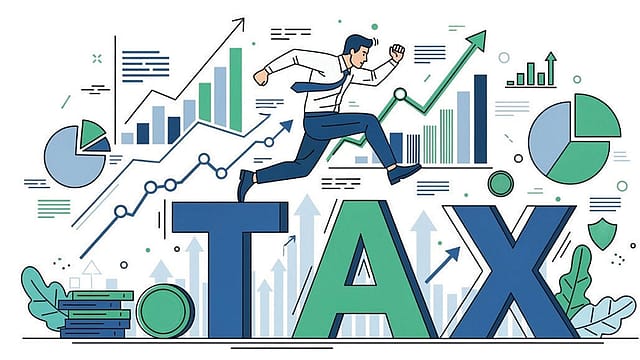
FINANCE MINISTER Nirmala Sitharaman faces a pivotal moment in Budget 2026-27 to further entice taxpayers toward the new tax regime, building on recent reforms that made incomes up to ₹12 lakh tax-free. With middle-class aspirations driving economic growth, targeted tweaks could boost compliance and consumption.
The new tax regime, revised in Budget 2025, features slabs starting at nil up to ₹4 lakh, 5 per cent for ₹4-8 lakh, 10 per cent for ₹8-12 lakh, and scaling to 30 per cent above ₹2-₹4 lakh. A ₹60,000 rebate under Section 87A eliminates tax for incomes up to ₹12 lakh (₹12.75 lakh for salaried with ₹75,000 standard deduction). Despite these gains, many cling to the old regime for deductions like HRA and 80C, limiting the new one’s appeal.
Sitharaman could introduce partial deductions to bridge the gap without complicating simplicity.
Boost Standard Deduction: Raise it to ₹1-1.25 lakh, saving salaried earners `5,000-10,000 more in tax and aligning with inflation.
Selective Exemptions: Allow HRA for renters and health insurance premiums (Section 80D), benefiting urban middle-class families without full old-regime revival.
NPS Incentives: Hike employer NPS contribution deduction to 14 per cent for private sector, mirroring government perks to spur retirement savings.
Family-focused Relief: Permit child education allowances or higher family pension deductions, targeting young professionals.
These steps could shift 70-80 per cent of filers to the new regime, according to expert estimates, easing administration.
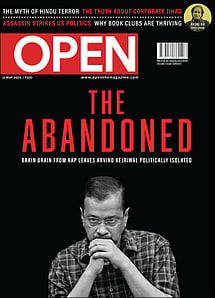
The Abandoned Kejriwal
01 May 2026 - Vol 04 | Issue 69
Brain drain from AAP leaves Arvind Kejriwal politically isolated
Lower effective rates would leave ₹20,000-50,000 more in middle-income pockets annually, fuelling spending on housing and durables. Enhanced savings via NPS could deepen capital markets, vital for India’s $5-trillion economy goal. Compliance rises as simplicity curbs evasion, bolstering revenue for infrastructure.
By blending relief with incentives, Sitharaman can make the new regime the default choice, fostering a consumption-led recovery.