New Labour Codes: Who wins big from salary shifts?
INDIA’S WORKFORCE IS undergoing a seismic shift with the four labour codes, rolled out from November 2025 and fully operational by April 2026, mandating basic pay at least 50 per cent of cost to company (CTC). This restructures salaries, hiking Provident Fund (PF) and gratuity contributions while trimming take-home pay for many.
Employers face rising PF and gratuity costs under the new labour codes due to the 50 per cent wages mandate in CTC, but strategic tweaks keep impacts manageable. Costs rise as PF (12 per cent on broader wages up to ₹15,000 cap) and gratuity (on roughly 50 per cent CTC base) calculations expand, yet firms aren’t forced to hike gross pay.
But amid the short-term squeeze, clear winners emerge—especially low-wage, gig, and contract workers poised for unprecedented security.
Low-paid employees earning under ₹15,000 monthly, previously stuck with skimpy basics (30-40 per cent of CTC), gain the most. Their PF jumps—eg, from ₹33,600 to ₹42,000 annually on a ₹ 7 lakh CTC— building robust retirement nests despite a ₹11,767 take-home dip. Gratuity swells too, rising ₹3,367 in the same example, offering real end-of-career payouts. Contract and fixed-term labourers now snag gratuity after one year and equal benefits, levelling the field.
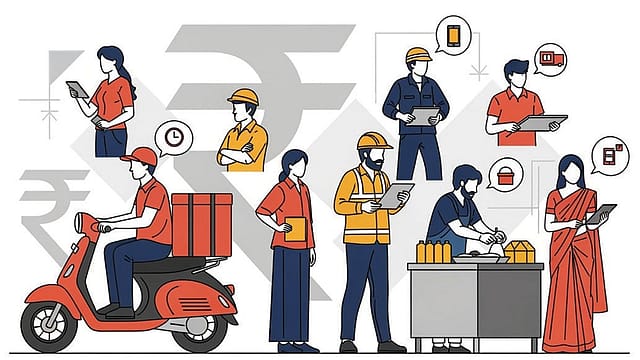
Gig and platform workers—think Uber drivers or Swiggy riders— score landmark inclusion under the Social Security Code. Aggregators fund welfare cesses for portable benefits like health insurance and PF, without slashing their flexible earnings. This covers millions in unorganised sectors, extending ESI and maternity perks.
Sure, mid-to-high earners see slimmer wallets (₹1,500/month less on ₹10 lakh CTC), but the trade-off favours future-proofing. Higher statutory bases supercharge compounding—PF grows 20-25 per cent instantly, gratuity doubles over years. For plantation, mine, and textile workers, safety gear, health checks, and overtime doubles. Employers grumble at costs, but compliant firms already at 50 per cent basic, skate through. In essence, the codes prioritise equity: vulnerable segments trade pocket cash for lifelong armour, modernising India’s 500-million labour force. Short-term pain yields generational gain.