India Services PMI Falls to 11-Month Low, Hiring Turns Cautious
India’s services sector ended 2025 on a softer note, with growth easing to an 11-month low even as overall activity remained firmly in expansion territory.
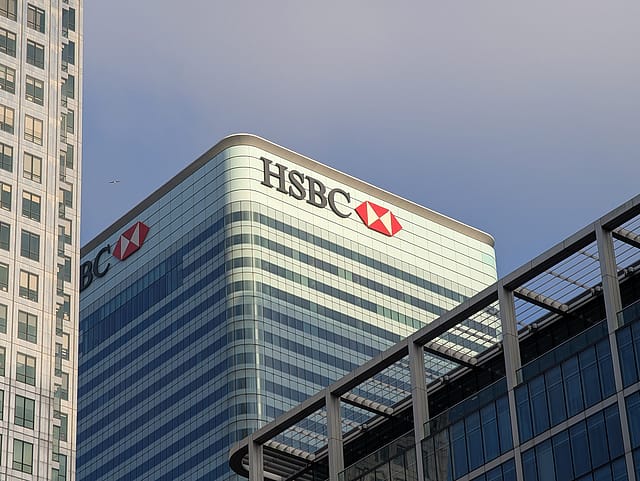
The HSBC India Services PMI for December showed a slowdown in both new business inflows and output, with companies turning cautious on hiring amid rising uncertainty. While firms continued to express confidence in medium-term prospects, overall sentiment slipped to its weakest level in nearly three-and-a-half years.
The seasonally adjusted Business Activity Index fell to 58.0 in December from 59.8 in November, marking the slowest pace of expansion since January. Despite the dip, the reading still points to a robust increase in output, underscoring the sector’s underlying resilience.
Cost pressures ticked up during the month, with faster increases in input costs and output charges compared to November. However, inflation remained below long-run averages, offering some relief to businesses navigating a more cautious demand environment.
Pollyanna De Lima, Economics Associate Director at S&P Global Market Intelligence, said the retreat across several indicators suggests a moderation in growth momentum as India enters 2026. At the same time, she noted that a benign inflation backdrop could support competitiveness, limit price hikes and eventually help revive hiring.
There were mixed signals beneath the headline numbers. Companies flagged concerns around market uncertainty and exchange-rate volatility. While a weaker rupee may have pushed up import costs, it also improved export competitiveness. Notably, services exports bucked the broader slowdown, registering stronger growth in December.

India's Action Hero
27 Mar 2026 - Vol 04 | Issue 64
Riding the Dhurandhar Wave
Looking ahead, Indian services firms remain optimistic about business activity in 2026. However, confidence has now weakened for a third consecutive month, with the sentiment index falling nearly nine points below its long-run average—highlighting the growing gap between near-term caution and longer-term confidence.