How Global Airlines Are Surviving the 2026 Jet Fuel Price Crisis
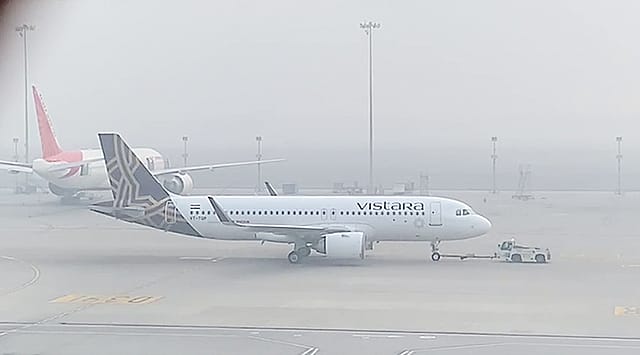
The $41 billion profit forecast for 2026 lasted exactly eight weeks.
The moment US-Israeli strikes hit Iranian positions in late February, jet fuel prices began a near-vertical climb. What started as a geopolitical flashpoint has become the aviation industry's worst cost crisis since Covid.
What Turned a War into a Fuel Crisis?
Cathay Pacific moved fastest, raising fuel surcharges twice in a single month. A Sydney-to-London return now carries an $800 surcharge alone. Air France-KLM added 50 euros to long-haul economy fares from mid-March. United Airlines CEO Scott Kirby told ABC News the math was simple: fares must rise 20% or losses follow.
How Are Airlines Passing the Bill to Passengers?
Air France-KLM introduced fare increases of around 50 euros on long-haul economy returns from mid-March. Cathay Pacific lifted fuel surcharges twice in one month, with a Sydney-to-London return now attracting an $800 surcharge alone. United Airlines CEO Scott Kirby told ABC News that fares would need to rise 20% to fully cover higher fuel costs.
Look Who's Talking Regime Change
23 Oct 2026 - Vol 05 | Issue 43
Is Fuel Hedging Still Protecting Airlines?
Cathay Pacific CFO Rebecca Sharpe told reporters that fuel hedging on crude oil offers only partial protection since it does not cover the full rise in refined jet fuel prices. A stronger US dollar is compounding the pressure further, as airlines earning in weaker local currencies are paying significantly more in real terms.
Which Carriers Are Cutting Capacity?
Carriers including United Airlines, Air New Zealand, and SAS have announced capacity cuts as the aviation fuel crisis deepens. Cargo operators including FedEx and DHL have also revised fuel surcharges upward twice since February, according to Freightwaves, making the crisis a supply chain problem as much as a passenger one.
Are Budget Airlines More Exposed Than Legacy Carriers?
Geopolitical tensions have hit low-cost carriers hardest, as they rely on high volumes and thin margins. Wizz Air has hedged 83% of its fuel needs through March but is only 55% covered through March 2027, leaving it increasingly exposed going into peak season.
What Long-Term Shifts Is the Industry Planning?
Global aviation companies are not waiting for peace talks. Fleet renewal is accelerating on paper, though supply chain backlogs are slowing actual deliveries. Fuel hedging desks are being restructured to track refined fuel rather than crude benchmarks. Dan Taylor of aviation advisory firm IBA told reporters that airlines with strong balance sheets will emerge stronger, while weaker carriers face an existential test.
(With inputs from ANI)