Guardian Rails: Your Child’s Money Isn’t Yours To Spend
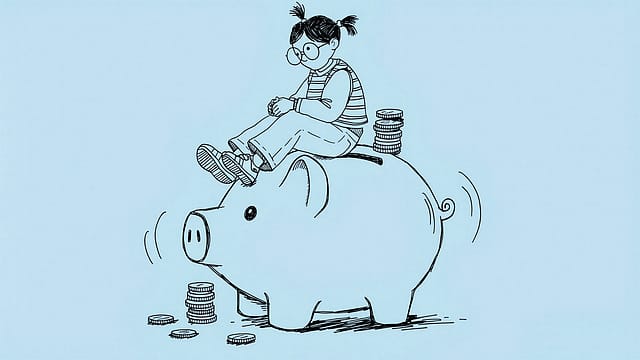
As a parent, you can open and operate savings, PPF, FD/RD, and demat accounts in your child’s name, but the money legally belongs to the minor, not you. RBI rules allow guardians to manage deposits for minors of any age, while children above 10 may operate savings accounts independently, subject to bank policy.
So, here’s what you can do to make your child’s future financially secure. You may open a minor’s savings, PPF, or demat account and make deposits, withdrawals, and closures strictly as per scheme rules. Withdrawals are permissible when used for the child’s education, medical treatment, or similar upbringing expenses consistent with any undertaking given to the institution. For PPF, the annual contribution cap is Rs. 1.5 lakh across all minor accounts and the parent’s own PPF; only one guardian can operate one PPF account for the same child at a time. You may also invest in mutual funds, ETFs, and government securities in the minor’s name, with the guardian executing all transactions until the child turns 18.
However, caveats are woven in too. Once withdrawn, the money cannot be transferred to the parent’s account, spent on the parent’s needs, or otherwise treated as the parent’s property; it remains the child’s, held only in trust.
Again, a parent cannot appropriate or adjust a child’s investment towards discharging the parent’s independent legal obligation to maintain the child; maintenance must be funded from the parent’s own resources.
Furthermore, where both parents are guardians or the scheme requires joint consent, one parent cannot operate, withdraw from, or close the account without the other’s concurrence.
And lastly, income from a minor’s investments (interest, divi dends, capital gains) is clubbed with the higher-earning parent’s income under Section 64(1A), with only a Rs. 1,500 per child per year exemption under Section 10(32).
In short, you are a steward, not an owner. Manage accounts, invest wisely, and spend only for the child’s legitimate needs—anything else risks legal and tax trouble.