Freight Economics Are Improving: Inside India’s Next Commercial Vehicle Upcycle
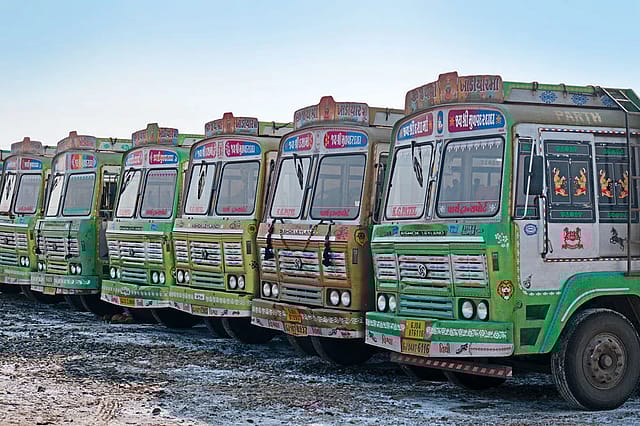
India’s medium and heavy commercial vehicle (M&HCV) industry is entering the early stages of a fresh upcycle, with volumes expected to grow around 8% year-on-year in FY26 and accelerate to 10% in FY27, according to a Nomura report. This follows several years of muted growth and signals a gradual but sustained recovery.
Nomura attributes the turnaround to improving industry fundamentals. Rising freight rates, better GST-led affordability, and an ageing truck fleet—now averaging nearly 10 years—are strengthening replacement demand. These factors are improving fleet operator economics and laying the groundwork for higher vehicle purchases over the medium term.
Fleet operators are already seeing the benefits. Improved freight pricing and lower operating costs have boosted cash flows, restoring confidence and enabling deferred replacement decisions to move forward. Nomura believes replacement demand will peak around FY27–28 as these economics continue to improve.
Despite the positive outlook, the brokerage cautions that the industry is still in the early phase of the cycle. Overall volumes remain below the peak levels seen in FY19, suggesting meaningful headroom for growth if macro conditions remain supportive.
Nomura adds that growth could surprise on the upside in FY27 if economic momentum picks up, supported by stronger consumption and a softer interest rate environment.

India's Action Hero
27 Mar 2026 - Vol 04 | Issue 64
Riding the Dhurandhar Wave
Addressing concerns around the Dedicated Freight Corridor (DFC), the report notes that risks to road freight demand remain limited. Although the Eastern and Western DFCs are nearly fully operational, non-bulk cargo—which accounts for nearly 30% of total freight—continues to depend heavily on road transport. As a result, overall truck demand is unlikely to face material disruption.
That said, some sub-segments may see moderation. Tractor-trailers, which compete more directly with rail freight, have seen their share of industry volumes rise sharply--from about 9% in FY21 to 22% in FY25--and could witness some normalisation.
Overall, Nomura believes structural drivers such as replacement demand, healthier fleet economics and supportive macro conditions position India’s M&HCV industry for a sustained recovery over the next few years.