Drag and Dazzle: The Pageantry and Performance of Pride Month
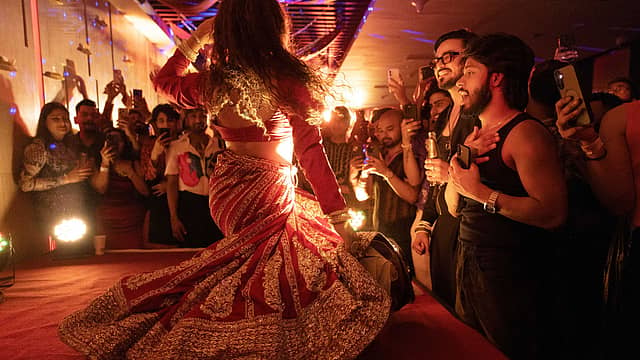
The atmosphere at Kitty Su is electric. It is June, Pride Month, and the nightclub at The LaLiT, New Delhi, is geared for celebrations. Veronica, a drag queen and one of the performers of the night, is dancing to ‘Pyar Kiya Toh Darna Kya’, from Mughal-e-Azam. She twirls and lip syncs, and the cheering grows louder when, mid performance, she holds up posters proclaiming “Love Is Love” and “Support Local Drag.” Red is the theme of the night, titled Mehfil-E-Dolls, a night of drag performances reimagining the art of mujra. Apart from Veronica, the other performers include Fradish, Krystal Koko and Naavya A Singh. Their performances are both dazzling and defiant—transforming the dance floor into a stage where glamour becomes a celebration of identity, visibility and self-expression.

Drag is a singular form of performance art, situated at the intersection of popular culture and activism. The elaborate costumes and makeup, dance and lip-syncing are tools for an argument—that gender is a social construct and performance. In recent years, drag has risen from a subcultural phenomenon into the mainstream, as drag performers have found popularity on screens and social media. Indian drag performance occupies a distinct position, being able to draw upon the subcontinent’s long history of traditional arts and cultural heritage in addition to Western tropes. Artists incorporate Bollywood numbers as well as classical dance, regional aesthetics and storytelling into their acts.
Drag is a conflation of pleasure and protest. It is an invitation to the world to witness a resilient community find success and belonging. It is a showcase of how art can become a means of demanding change, a reminder that identity is continually created, negotiated and performed.