Celine Dion Returns: What is Stiff-Person Syndrome, the Disorder That Disrupted Her Voice and Life?
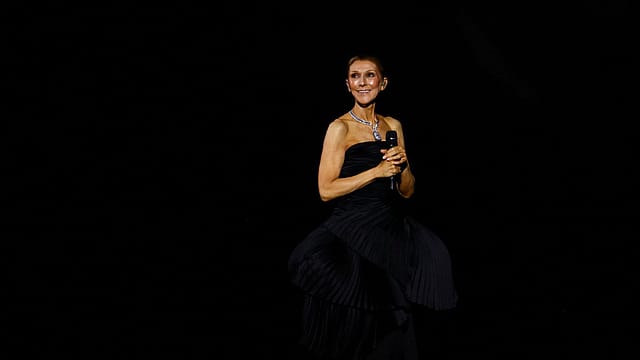
Seconds into her opening song, Celine Dion stopped to wipe away tears.
On Saturday in Nanterre, France, the singer returned for her first full concert in more than six years. “I made a promise to come back, to be back on stage,” she told the audience, according to People.
Her absence had begun with the pandemic interrupting her tour in 2020. Health complications subsequently delayed her return, and in December 2022 she publicly disclosed her stiff-person syndrome diagnosis. Performances at the Paris Olympics and other events followed, but a full concert represented another milestone. The return also raises a question that goes beyond one singer: what happens when the nervous system struggles to let the muscles relax?
What is stiff-person syndrome?
Stiff-person syndrome, or SPS, is a rare neurological disorder associated with autoimmunity, in which the immune system mistakenly targets the body’s own tissues. Its defining features are muscle stiffness and painful spasms, often involving the back, torso and legs. Symptoms can fluctuate and become more disabling over time. Walking, turning or maintaining balance may become difficult, and sudden spasms can cause falls. Noise, touch and emotional distress can trigger episodes. The name sounds like ordinary stiffness. The effects can extend far beyond the discomfort of tight muscles.

Zeroing In on ECI
09 Oct 2026 - Vol 05 | Issue 41
Constitutional legitimacy versus political opportunism
Why do the muscles become rigid?
One important part of the explanation involves GABA, a chemical messenger that helps restrain excessive nerve activity. Think of it as part of the nervous system’s braking mechanism. Many people with SPS have antibodies against GAD65, an enzyme involved in making GABA. Disruption of these inhibitory pathways is associated with an overly excitable nervous system, allowing stiffness and spasms to develop. Researchers are still investigating the precise mechanisms; antibody findings alone do not explain every case.
How rare is it—and who gets it?
Johns Hopkins cites a traditional estimate of one to two people per million, while noting that recognition of a broader spectrum of related disorders suggests it may be more common than previously thought. Women are affected more often than men. The illness usually begins in adulthood, although children and older people can develop it. Some patients have other autoimmune conditions, including type 1 diabetes or thyroid disease. These associations help specialists understand the clinical picture; they do not mean that someone with diabetes or thyroid disease is likely to develop SPS.
Why can sound or stress trigger a spasm?
An exaggerated response to sudden stimuli is characteristic of the condition. A car horn, unexpected touch or emotional distress can set off a painful episode. That unpredictability can change how someone moves through the world. Fear of falling may make leaving home difficult. Anxiety can coexist with the neurological illness, and stress can worsen symptoms; neither makes the physical condition imaginary. NINDS notes that SPS is sometimes mistaken for anxiety, phobias or other neurological disorders.
How can it affect singing or breathing?
Singing depends on controlled breathing and coordinated muscle activity. A disorder that causes spasms or interferes with muscles used for breathing can therefore create substantial difficulties for a performer. SPS can cause shortness of breath when chest muscles are involved. In severe cases, breathing can be compromised. That general medical explanation does not establish which muscles are affected in Dion’s case or reveal her current disease severity. A public performance cannot provide that clinical information.
How is it diagnosed?
Diagnosis involves matching the symptoms and neurological examination with appropriate tests, while checking for other explanations. Doctors may use blood tests for associated antibodies and electromyography, or EMG, to assess muscle electrical activity. A lumbar puncture may help in selected cases. MRI scans are generally used to investigate alternative causes rather than to produce a definitive picture of SPS. An antibody result must be interpreted in context. A Mayo Clinic-led study of patients referred with suspected stiff-person spectrum disorders highlighted the importance of combining clinical findings, antibody results and electrodiagnostic evidence to avoid misdiagnosis. Ordinary back stiffness or an occasional cramp is not enough to identify this rare condition.
What treatments are available?
Treatment generally addresses both symptoms and the immune process. Medicines such as diazepam or baclofen may reduce stiffness and spasms. Specialists may also use immune-directed treatment, including intravenous immunoglobulin, or IVIG. Other approaches, such as plasma exchange or rituximab, may be considered for selected patients. The choice depends on the person’s condition, response and treatment risks. Rehabilitation matters alongside medication. Physiotherapy and occupational therapy can help with movement and daily activities, with programmes adapted to the patient’s limitations and triggers. Care often requires ongoing adjustments. Johns Hopkins’ specialist centre describes treatment as commonly continuing for a lifetime, supported by regular follow-up and attention to emotional well-being.
Does Dion’s comeback mean she has recovered?
Returning to the stage is a meaningful functional achievement. It does not, by itself, demonstrate that the illness has disappeared. There is currently no cure for SPS. Treatment can improve symptoms and quality of life, and some people regain activities that had become difficult. Severity, progression and response vary substantially between individuals. Dion’s performance offers a reason for hope without setting a standard every patient must meet. Another person’s progress might be walking more safely, sleeping with less pain or completing an ordinary day with fewer spasms. The applause marks what Dion was able to do that evening. The work of living with the condition continues beyond the final song.
With inputs from ANI